Understanding and engaging with legislation
The two current pieces of legislation I am designing and facilitating curriculum around, in both in-person and hybrid formats (for HWGTA and MET Academy), are The Equality Act (2010) and General Data Protection Regulation (GDPR, UK 2020) so I will offer two case studies of my work with this legislation here.
The Equality Act (2010)
Also see portfolio element 2b for cross-cutting evidence of how I have recently designed hybrid learning sessions with accessibility and widening participation in mind.
I have designed and am currently facilitating 1-day professional updating sessions for trainers working with Apprentice learners at MET Academy and both hybrid and in-person sessions for HWGTA clients on The Equality Act (2010) and its implications for educators and for business. These sessions include courses open to the general public and also bespoke sessions for specific organisations. As part of the initial teacher training curriculum the Award in Education Training I also design and facilitate shorter sessions on the Act and its implications for teachers’ planning and learning facilitation as part of the Inclusive Learning module.
This requires me to keep up to date with the most recent amendments to the Act and to always be on the lookout for new case studies that I can use. In particular I need to make learners aware that legislation is a living, evolving mechanism which needs to respond to global and national changes and events. For example, in the last three years ‘non-belief’ has been added to the religion and spirituality protected characteristic and disability is now considered to cover temporary disabilities (for example having a leg in plaster due to a sports accident) and also to require a broader consideration of mental health challenges as a disability. I need to ensure that delegates are made aware of the implications of latest changes to the Act to their business and teachers to their practice as often these sessions will be offered as reinforcement, refresher training for delegates who have already had some input on this legislation. Use of online learning resources and easily editable digital assets is instrumental in ensuring my curriculum is ‘instantly update-able’ to reflect latest legislation changes.
Like all of my curriculum design I prefer to use active, experiential learning (see portfolio element 2b) calling heavily upon authentic, current case studies and using discussion and production of artefacts such as posters and outline company strategies for assessment.
When working with The Equality Act (2010) I find the Equality and Human Rights Commission’s online resource invaluable and often draw on it for case studies and videos as as well as signposting new teachers toward it for the excellent lesson plans and videos provided. I also use some excellent case study resources from NHS England, and TED Talk excerpts from Diversity in Tech.
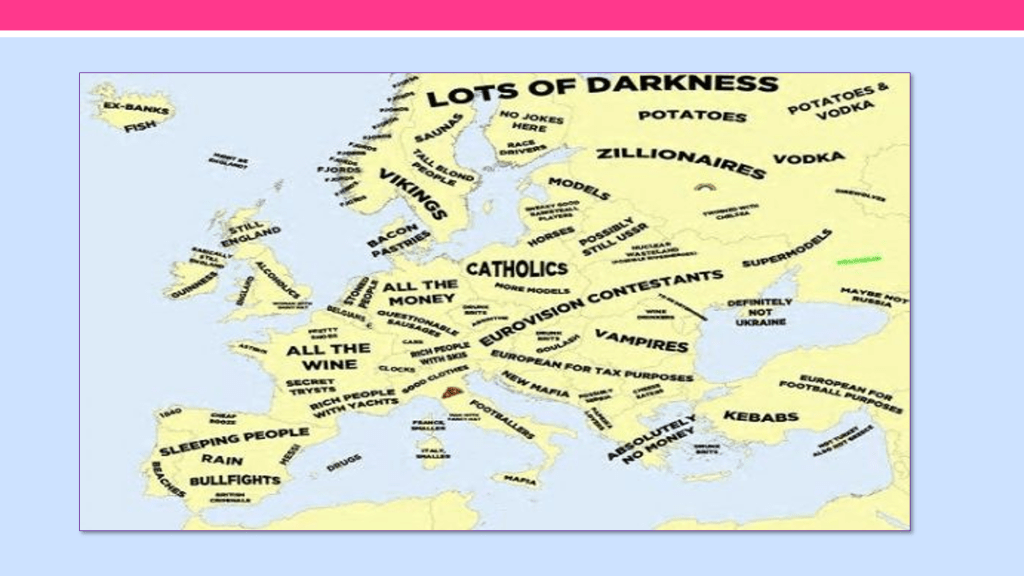
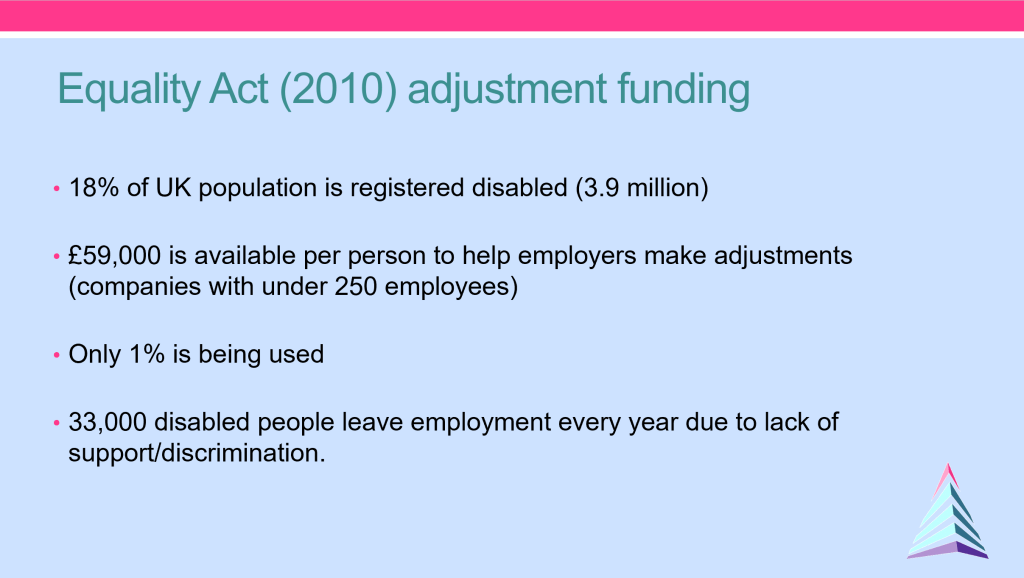
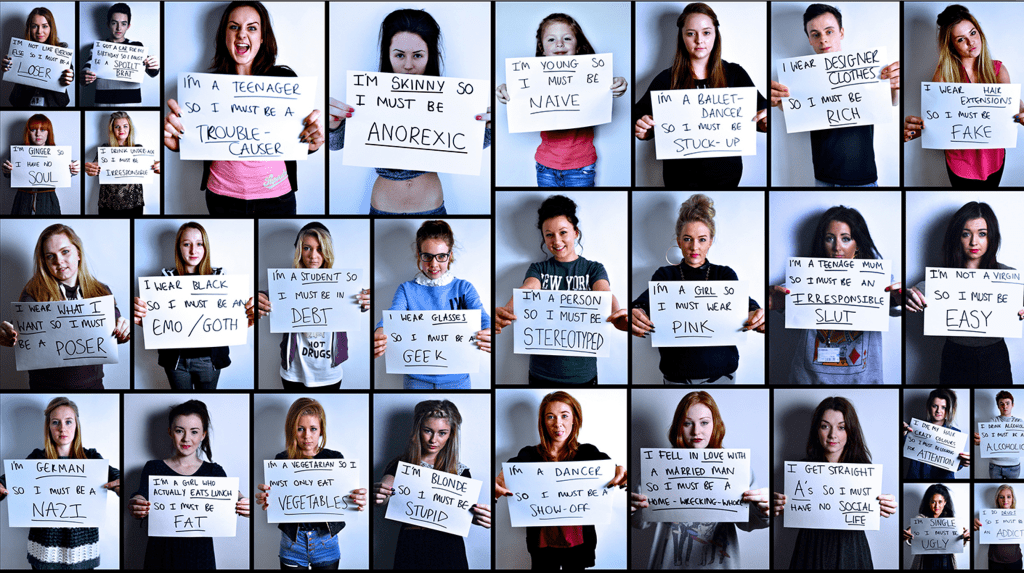
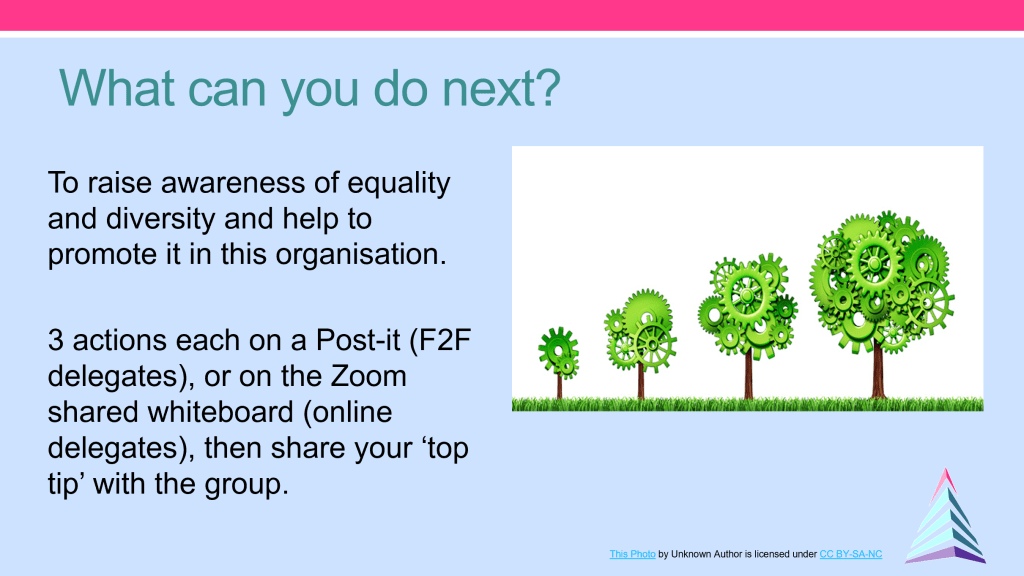
Below I have provided some sample resources that I currently use in Equality Act sessions to give a flavour of the outcomes and active learning strategies I use.
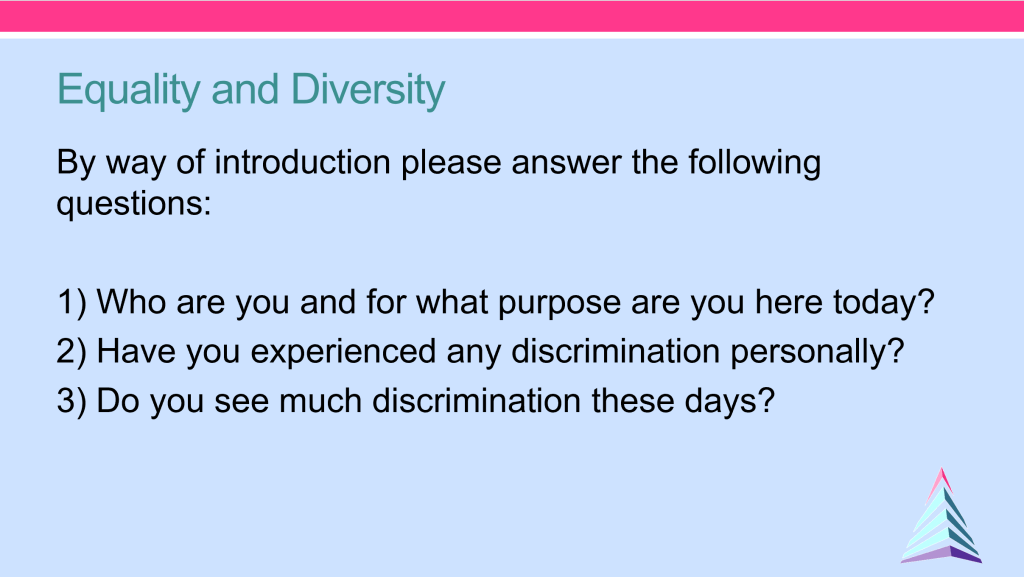
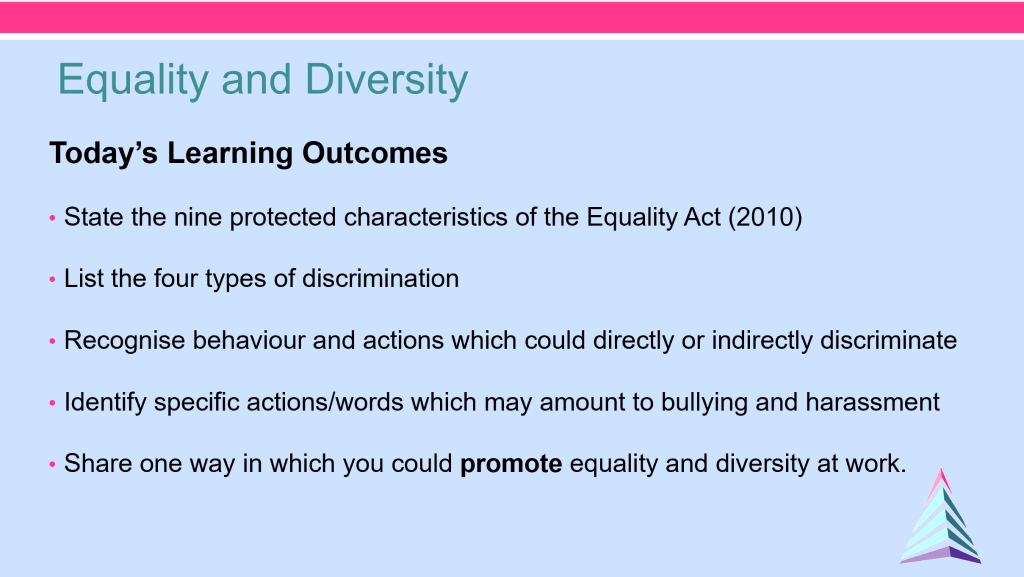
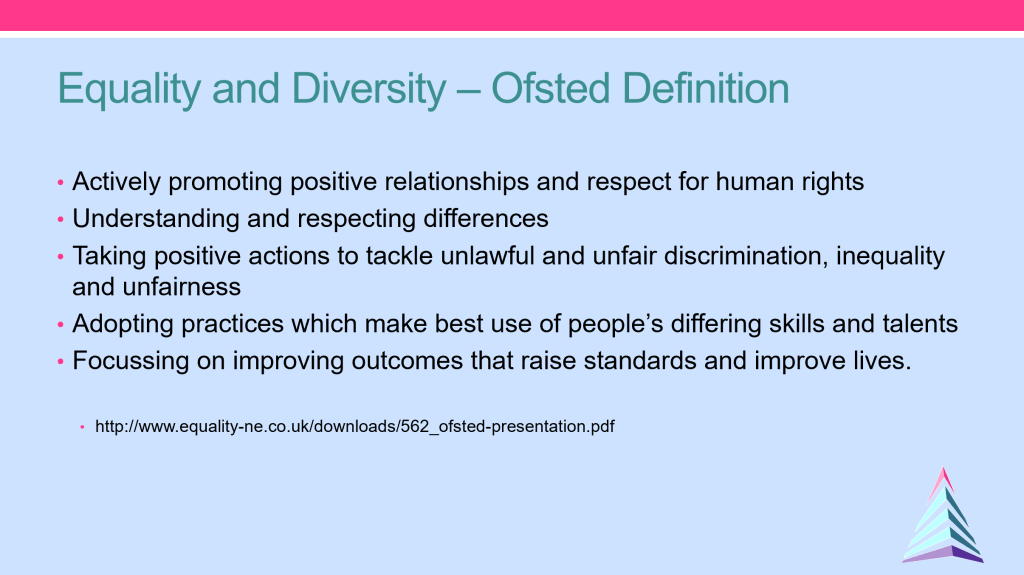
The first is the facilitator’s presentation from the bespoke hybrid session I designed for a major Herefordshire fruit producer and distributor via HWGTA:


The second is the delegate workbook I use for in-person professional updating training for MET Academy Apprentice tutors:

General Data Protection Regulation (GDPR)
I also design and facilitate open, in-person data security courses for HWGTA, again using active experiential learning, culminating in delegates creating an update to the data security policy and procedures for their organisations. This course draws upon the updated GDPR UK (2020) and The Data Protection Act (1998), legislative detail from GOV.UK and best practice data management information from the Information Commissioner’s Office (ICO).
I particularly value the ICO’s current, authentic data case study resources and Annexes and draw upon these in discussions on good practice. I also find it impactful to call upon the ICO’s ‘Action We’ve Taken’ pages during a light-hearted yet serious quiz called ‘What’s My Penalty?!’ which uses recent examples of fines and prosecutions under the legislation, asking delegates to guess what actions were taken.
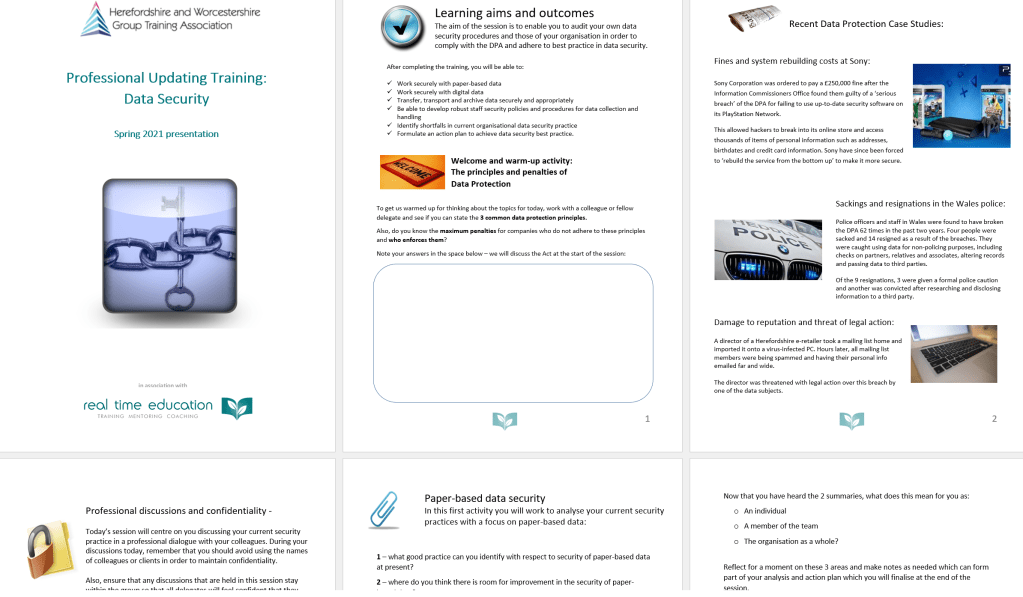
I designed this session to allow delegates to gain knowledge on application of the GDPR and DPA and then use this in a diagnostic exercise appraising their current paper-based and digital data procedures and processes. This involves delegates sharing with the group (within the bounds of customary confidentiality) where they feel their organisation displays good practice and any areas where they consider further developments could be made. By designing this to be a dialogue amongst professional peers we are able to draw upon the significant experience that in-post, professional adults bring to the learning space and draw out action plans for refinement of protocols and practice.
The workbook that I have created for the course is designed so that delegates are able to note down areas of good practice and actions that they will take as they progress through the course with the presentation guiding them to take these actions:
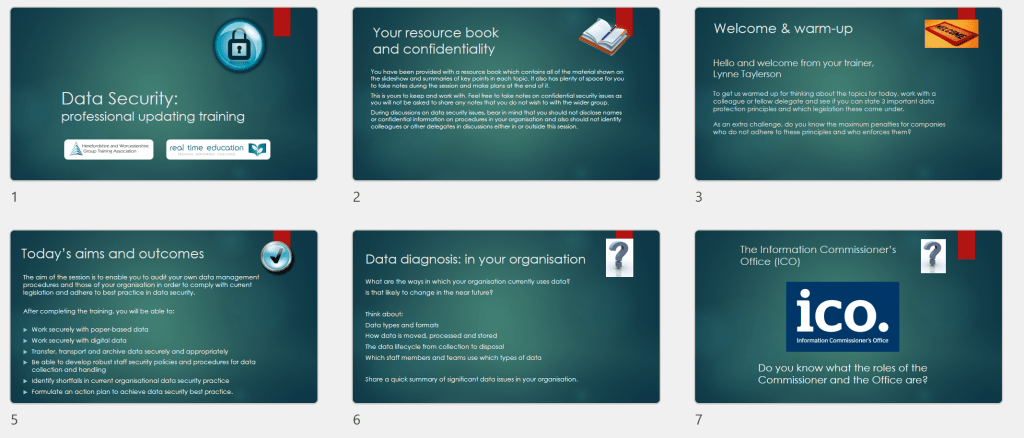
To supplement the discussion and development activities in the workbook I also model good practice in secure digital data management by demonstrating to delegates how to password protect MS Office documents for secure storage and transfer and how to use two- and three-factor authentication for secure log-ins, explaining the benefits that these strategies bring.
Reflection
Having reviewed the Equality and Diversity and Data Security courses in their various formats for this portfolio It has made me realise how significant a part learning technology plays in producing and facilitating effective, current curriculum around legislation.
One thing I always impress upon delegates is that legislation is living, breathing and responding to our world, not set in stone. This is particularly so in the cases where it applies to the digital and online world, where the law is often racing to keep up with new ways that technology might be used in a malicious way to harm people, or damage property or businesses. In other cases such as the Equality Act, legislation is constantly being reframed to improve it by responding to positive changes in society, such as new and different ways of viewing diversity, difference and inclusion.
All of these factors mean that it is essential that training around legislation is kept refreshed and up-to-date meaning I need to regularly refresh my knowledge. I use FutureLearn courses extensively for this type of professional learning as I find their flexible nature and active learning strategies suit my needs. I have recently engaged with the ETF’s Advancing Equality in Further Education MOOC on the platform and found it valuable for updating my knowledge and giving me new perspectives and case studies to use when facilitating Equality and Diversity sessions.
A significant challenge can sometimes be to make legislation seem directly relevant to professionals from different backgrounds. I am often shocked, for example, by the failure to respect and accommodate diversity or the lack of security protocols displayed in some examples that some delegates share!
Use of adaptable, easily updatable online resources such as recent case studies and ‘breaking news’ articles and videos really bring the curriculum to life and also reinforce how directly current and relevant the learning is for delegates attending. Use of multimedia assets such as online case studies or videos are also valuable in that they lend additional voices to the argument, for example for equality and inclusion, reinforcing that of the trainer and speaking from different perspectives, using diverse voices.
I was delighted that my recent updates to the Equality Act professional updating session to allow hybrid presentation was such a successful, well-received process. Using a Zoom webinar for online attendance coupled with Zoom’s whiteboard and ‘good old fashioned Post-it notes’ for comments and feedback allowed two colleagues who were working remotely and isolating due to Covid measures respectively not only to attend, but to take an active part in the session.
It was the first time that the in-person members of the group had attended hybrid training, and it was pleasing to note how considerate they were to the delegates joining via laptop, integrating them smoothly into discussions and feedback activities. Feedback received from the online delegates was positive and they reported that they felt able to take a full part in the session having had digital copies of all resources sent over to them beforehand. I think that the event made a persuasive argument to the organisation and also to HWGTA that hybrid training such as this is a valuable way of ensuring highest possible attendance and making training more inclusive to a range of learner needs.
Though recent training has been well-received, I am currently reviewing the learning resources I use with a critical eye with equality and diversity in mind and plan some significant changes in the images used as each course is updated. I have always modelled use of royalty-free images, promoting sites such as Pixabay and Flickr and showing learners how to obtain and credit Commons resources. Most images on these portals which portray groups of people reflect diverse ethnic and faith-based backgrounds and many show some consideration for avoiding gender-based stereotyping. At the same time, I find that most do not adequately reflect a range of ages (particularly not representing those aged over 50 or 60 years old adequately) or reflecting people with different abilities (such as wheelchair users). In attempting to convey diversity, most acknowledgement in stock images seems to come in portraying diversity in race or religious observance.
My new strategy was promoted by a dialogue on use of more inclusive images with ETF’s Head of EdTech Vikki Liogier and by chancing on an interesting blog on ‘How to Choose Diverse and Inclusive Photos‘. I will be reviewing all images used at the start of a course to ensure that diversity is not something that I simply ‘nod towards’. I aim to use more sophisticated image searches which will ensure that truly diverse populations are better represented. Once I have achieved higher image diversity, I can open up dialogues on this issue with peers and learners in the hope of spurring a wider conversation on how we may often be ‘paying lip service’ to image diversity due to the narrower interpretation of reflecting diversity employed by some image source repositories.
 Lynne Taylerson SCMALT Portfolio